




IBSRELA Has Been Evaluated in Two Phase 3 Clinical Trials With Over 1,200 Adult Patients With IBS-C1-3
T3MPO-1 (N=606) and T3MPO-2 (N=620) were multicenter, double-blind trials of adults who met the Rome III Diagnostic Criteria for IBS-C randomized to receive IBSRELA 50 mg BID or placebo BID. The primary efficacy endpoint was the overall response* for 6 or more of the first 12 treatment weeks. The key secondary endpoints were CSBM and abdominal pain responder†‡ rates for 6 or more of the first 12 treatment weeks.1-3
- T3MPO-1: A 12-week treatment period was followed by a 4-week randomized withdrawal period. Of those IBSRELA-treated patients, 27% were overall responders, resulting in a placebo-adjusted difference of 8% (P=0.020). 44% of IBSRELA-treated patients were abdominal pain responders vs 33% with placebo. 34% were CSBM responders vs 29% with placebo1,2§
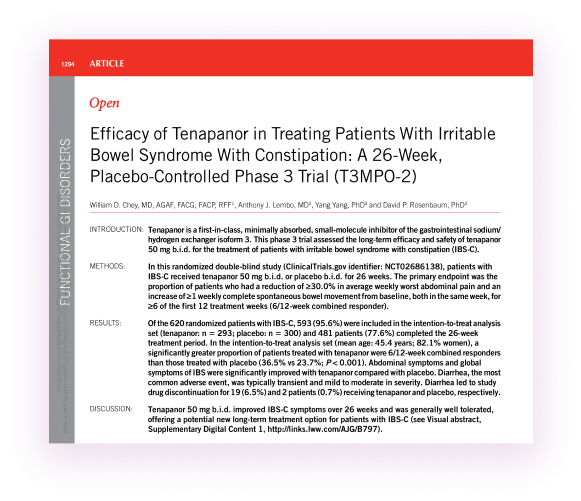
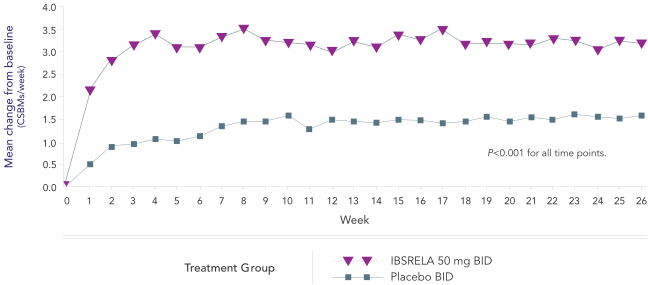
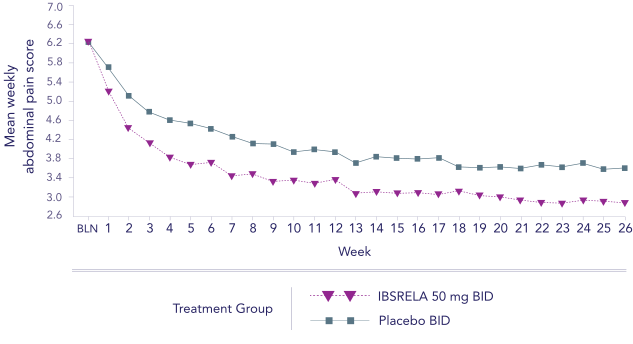
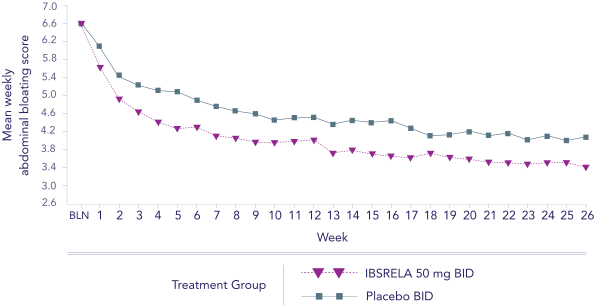
- T3MPO-2: A 26-week trial with primary endpoint measurement through week 12. 36.5% of IBSRELA-treated patients were overall responders, resulting in a placebo-adjusted difference of 13% (P<0.001). See baseline characteristics3,4
Rome III Diagnostic Criteria: Recurrent abdominal pain or discomfort at least 3 days per month in the last 3 months associated with 2 or more of the following: 1. Improvement with defecation; 2. Onset associated with a change in frequency of stool; 3. Onset associated with a change in form (appearance) of stool. Criteria must have been fulfilled for the last 3 months with symptom onset at least 6 months prior to diagnosis.5
*Overall responder defined as decrease in average weekly worst abdominal pain of ≥30.0% from baseline AND an increase of at least 1 CSBM from baseline, both in the same week.1
†CSBM defined as spontaneous bowel movement (unaided) accompanied by a sensation of complete evacuation. CSBM responder defined as a patient who achieved an increase in at least 1 CSBM per week from baseline for at least 6 out of the first 12 weeks of treatment.1
‡Abdominal pain responder defined as a decrease in average weekly worst abdominal pain of ≥30% from baseline for at least 6 of the first 12 weeks of treatment.1
§Not statistically significant.2
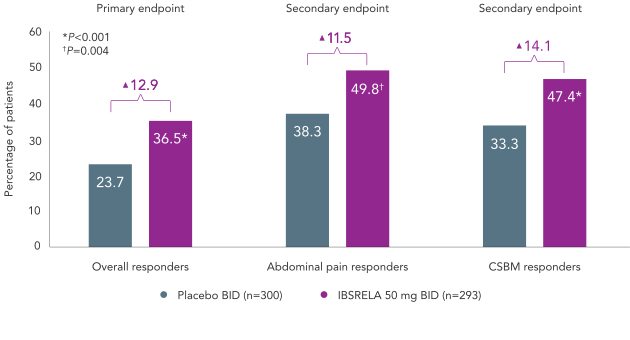
Significantly More IBSRELA-Treated Patients Were Overall Responders in T3MPO-21
Responder Endpoints Through Week 121,3
36.5%
of IBSRELA-treated patients were overall responders1,3
Primary efficacy endpoint: overall response for 6 or more of the first 12 treatment weeks.
Key secondary efficacy endpoints included the risk difference in (1) complete spontaneous bowel movement (CSBM) responder rate and (2) abdominal pain responder rate for IBSRELA vs placebo for 6 or more of the first 12 treatment weeks.
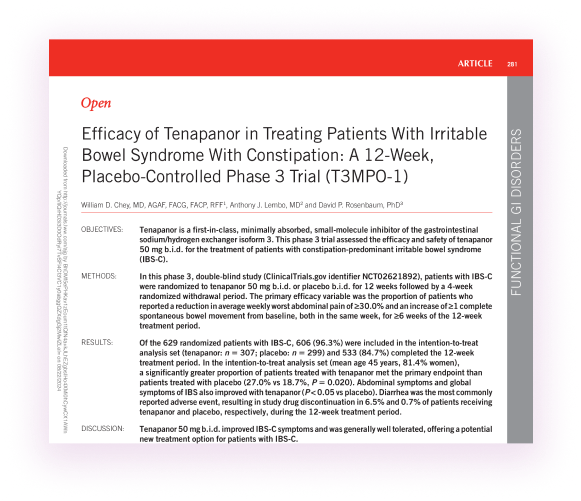
Efficacy of Tenapanor in Treating Patients With Irritable Bowel Syndrome With Constipation: A 12-Week, Placebo-Controlled Phase 3 Trial (T3MPO-1)
View publication